How We Rank AI Models in Dutch
How DutchRank turns thousands of fuzzy human preferences into a trustworthy leaderboard — Elo, Bradley‑Terry, bootstrap confidence intervals, and style‑bias control, adapted for Dutch.
A senior data analyst spends two days at a workshop. She comes back with a certificate and a head full of new terms - data contracts, domain boundaries, the whole vocabulary. Three months later, she's doing the job exactly the way she did before. The certificate is on LinkedIn.
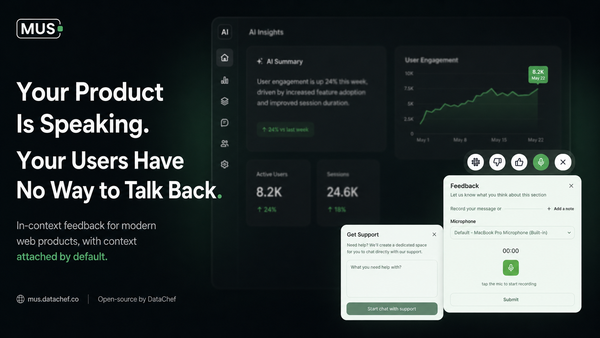
Imagine a user encounters something wrong in your product. A number that doesn't add up. A section that makes no sense in their context. A recommendation that contradicts what they know. What do they do? Most of the time, nothing. The gap between "this is wrong"
A maritime safety audit and a banking regulator ask the same question: not what platform you use, but whether you can prove what happened, when, and who signed off on it.
As we transform our data ecosystem from on-premise SSIS and SQL Server stack to scalable cloud services , moving to Snowflake has become a key step in achieving the level of scalability, flexibility, and analytical power we need. This migration is not just about moving data or rewriting pipelines it
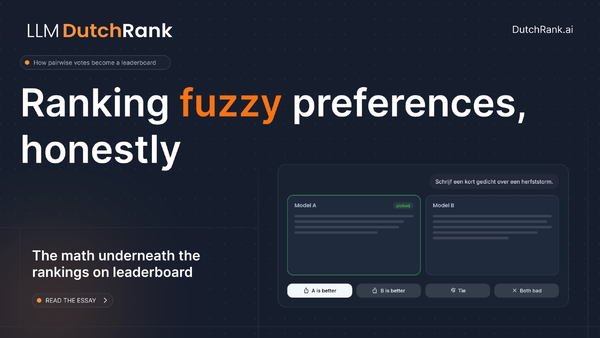
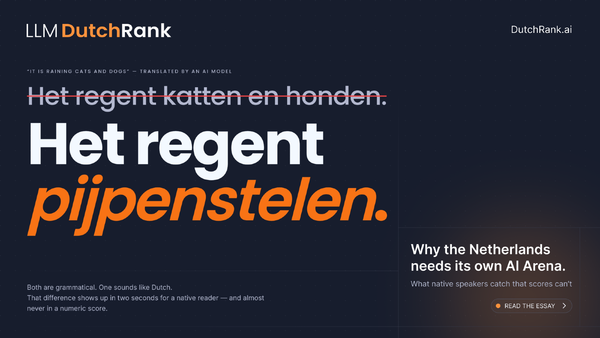
DutchRank is an open arena where Dutch speakers blind-test AI models head-to-head, turning gut feel about "which model sounds best in Dutch" into a real leaderboard.
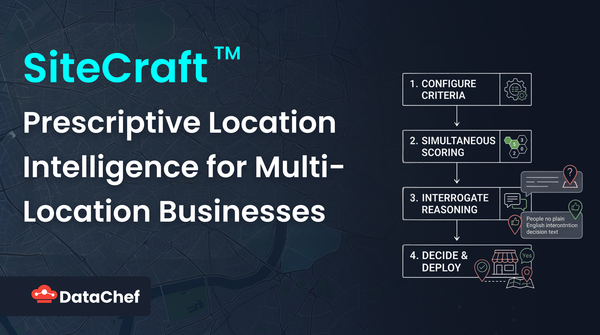
Imagine your best location consultant could evaluate every candidate site simultaneously, explain every recommendation in plain English, and update its thinking the moment your strategy changes. That's SiteCraft. Built by DataChef, SiteCraft is a prescriptive location intelligence platform that tells multi-location businesses not just where they could
DataChef is a big data consultancy based in Amsterdam. We help modern marketing and sales teams by demystifying data and simplifying information.
There's a particular kind of engineering conversation I genuinely enjoy. Not the kind where someone brings a problem they already have the answer to and just wants you to nod along. I mean the kind where someone says something that makes you stop and reconsider what you thought
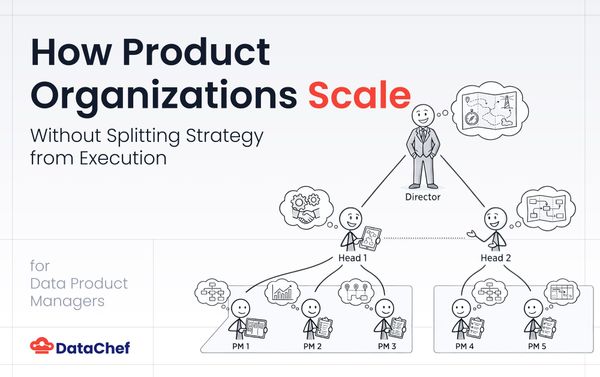
Quick recap from my previous article: In high-performing product organizations, strategy and execution aren't split between different roles. Every product team needs someone who owns both the "why" an
An alternative to scale and direct legacy migration activities
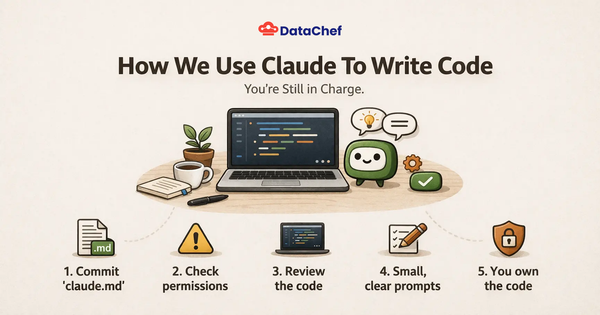
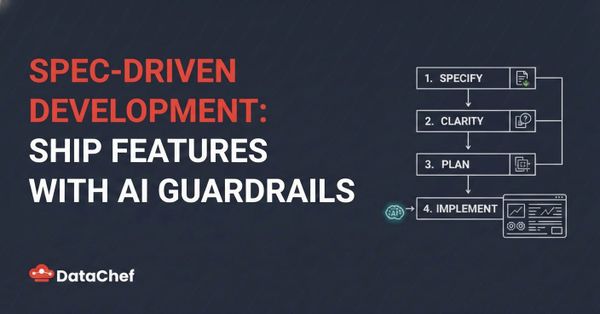
Claude is a tool. It helps us think faster and write code faster. But the developer is still in charge. The goal is simple: better code, clear thinking, and full responsibility. This document explains
Imagine your data expert could answer every team's questions at once, without a single meeting. That's DANA. Built by DataChef, DANA is a conversational AI that learns from your domain experts, unders
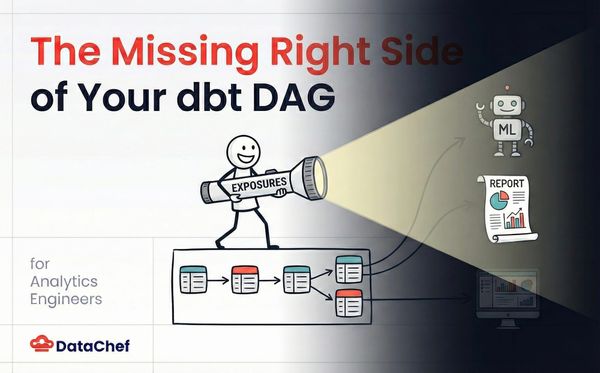
If you maintain a dbt project long enough, you end up with a familiar problem: you can see what’s upstream of a model, but it is surprisingly hard to answer what is downstream in the real world. Which
Mention the Product Owner role to someone from a startup or scale-up background, and you'll likely get a blank stare. They'll probably google it later to figure out what you meant. On the contrary, pe
Something has fundamentally shifted in how we build software. A year ago, if you told us we'd ship a production web application, 8 major features, 11 releases, 17,000 lines of TypeScript across a full
Discovery and requirements gathering are among the most critical phases of data product management. Yet they're also among the most challenging. Too often, data teams fall into the trap of being order-takers, responding to ad-hoc requests rather than...
If you spend any time reading about product management online, you'll frequently encounter a piece of advice: saying no is the product manager's superpower. There are countless guides on how to say no, why to say no, and frameworks for saying no with...
For years, Business Intelligence has followed a familiar, often frustrating pattern. An executive has a question, an analyst hunts for the answer, engineers build data pipelines, and eventually—days or weeks later—a dashboard appears. By the time the...
You are being asked to make a long‑term bet on data architecture. Most conversations frame this as a choice between data lake and data mesh. Vendors, internal teams, and reference architectures encourage you to pick a side. 💡 “Data lake vs data mes...